Conference Venue - Berlin
NYX Hotel Berlin Köpenick
Grünauer Str. 1, 12557
Berlin, Germany
The NYX Hotel Berlin Köpenick is situated in Koepenick, one of Berlin's nicest districts; directly on the banks of the River Dahme; opposite the Castle Koepenick. This district combines historical charm with a relaxed, neighborhood feel. Central enough to explore Berlin – quiet enough to truly unwind.
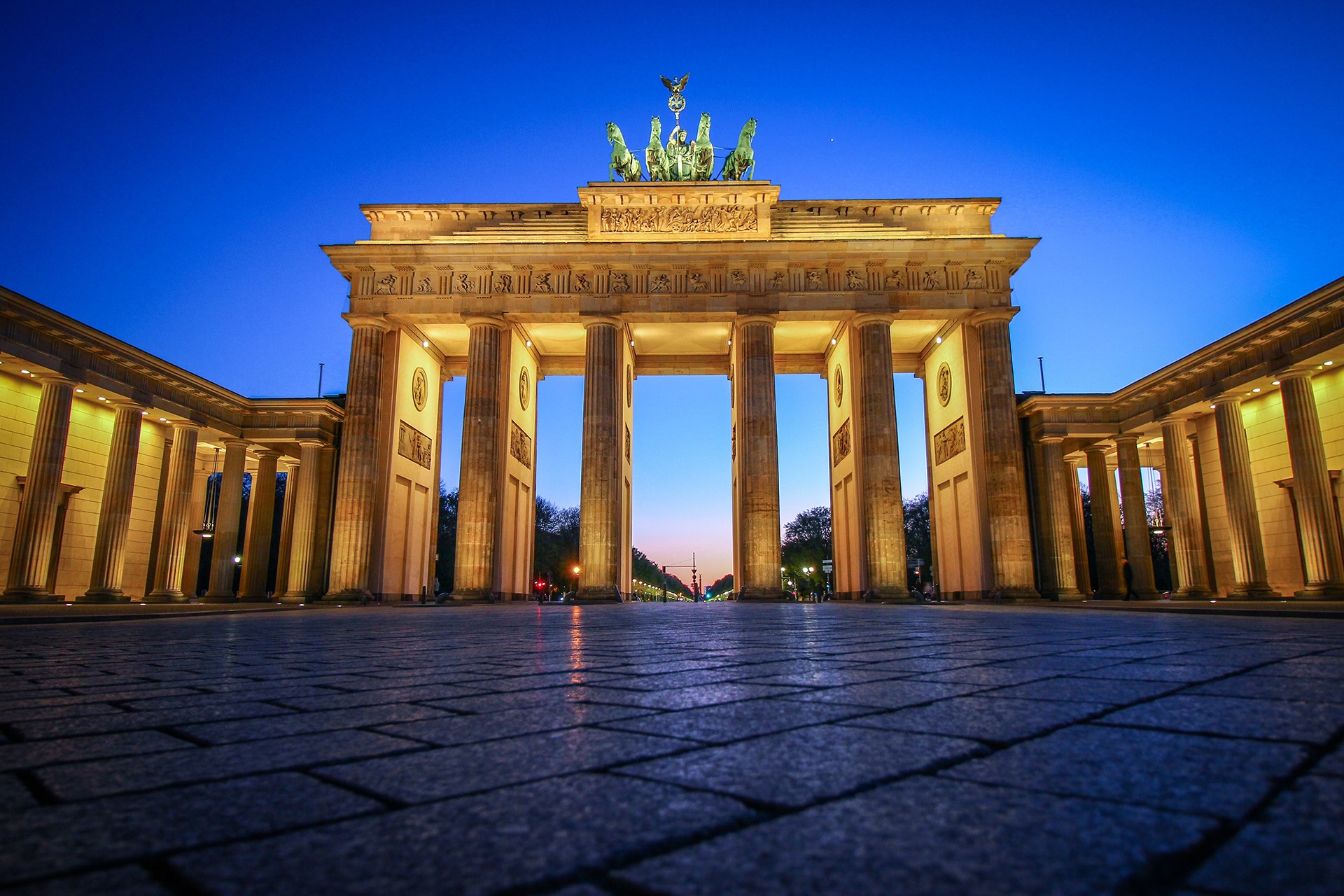
Berlin, the capital city of Germany, is renowned for its exceptional range of landmarks, vibrant cultural scene and way of life that's somehow all go yet relaxed. In fact, the city is best known for its striking contrasts. Historical buildings stand alongside modern architecture as the past and present intermingle.
Accommodation Information
The Conference is non-residential and delegates are requested to make their own accommodation arrangements.
Conference has negotiated bedrooms with the NYX Hotel Berlin Köpenick at a discounted rate of 119,00 € single occupancy, breakfast and VAT included. The negotiated rates are available for 14th to 17th October 2026.
The discount code can be used until September 1. In order to make a booking, please email the hotel at [email protected] referencing Block Code: "SAIConference" or "FTC2026".
Transport Information
Arriving at Berlin Airport
- Berlin Brandenburg Airport (BER): From BER Airport Terminal 1–2 Station, take S9 (direction Spandau) or S45 (direction Südkreuz) → Ride to "S Adlershof" (about 12 minutes). At S Adlershof, transfer to Tram 63 (direction Köpenick, Hirtestraße). Ride about 10–12 min to "Köllnischer Platz". NYX Hotel Berlin Köpenick is right across the street.
Public Transportation
Berlin has an extensive and efficient public transportation system that consists of buses, trams, trains, and an underground network known as the U-Bahn. The U-Bahn and S-Bahn networks connect the city center with surrounding areas, and buses and trams run from early morning until midnight, with night buses on selected routes.
Taxis, Ride-Sharing, Bicycles and Walking
Taxis are readily available throughout Berlin, and ride-sharing services like Uber are also popular. Berlin is bike-friendly with a well-developed network of bike lanes, and the city's wide streets and pedestrian-friendly areas make walking a pleasant option.
Visa Information
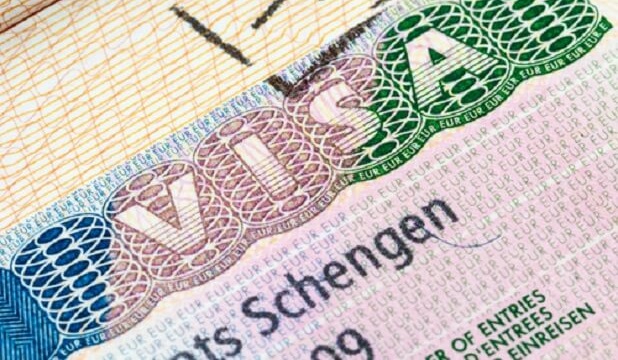
When visiting Germany for a maximum of 90 days you may need a short-stay Schengen visa. Whether or not you need a visa to travel to Germany depends mainly on your nationality, destination and length of stay. The Schengen Visa Advisor helps you to determine if you need a visa and what type of visa you need for your travel plans to or through Germany.
Requests for Visa Support Letters
For security purposes, the conference has a policy for issuing official Visa Support Letters as follows:
- Visa Support Letters will be issued only after you have successfully registered and paid for your conference.
- Visa Support Letters can only be issued for registered attendees of the conference. Unfortunately we cannot issue Visa Support Letters for guests of attendees.
Visa Support Letters will be issued via email in PDF format. Please contact the Conference Manager at [email protected] to arrange for a Visa Support Letter. You must include: your name as it appears on your passport, date of birth, passport number, passport date of issue, passport date of expiry, and (if you are an author of an accepted paper or poster) the paper title.
Note: Obtaining a Visa Support Letter from the conference will not guarantee that your visa application will be approved. The letter is merely supplementary information that explains a visa applicant's intended purpose of travel to Germany.